Paws, Deals, and Feelings: The Parent's Guide to Stuffed Animal Swaps That Actually Work
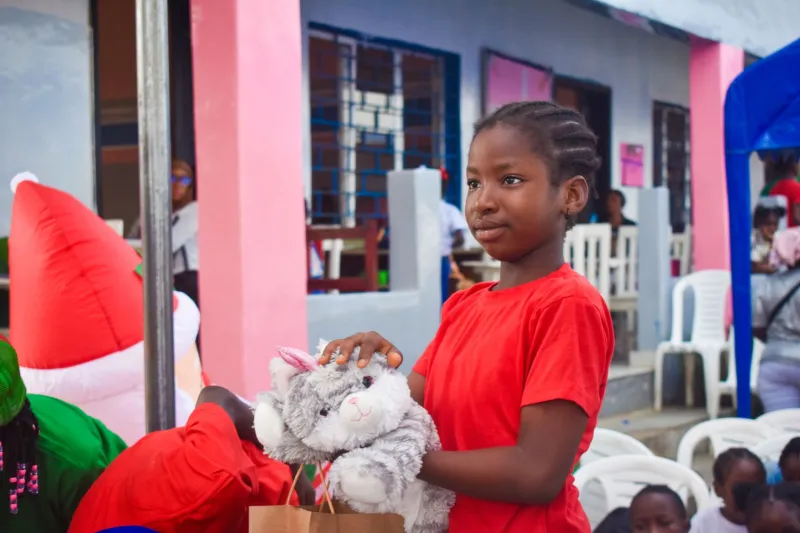
Let's set the scene. Your kid marches up to their best friend, holds out a slightly lopsided penguin named Captain Flop, and declares, "I'll trade you for your dragon." The friend's eyes light up. A deal is struck. Everyone is thrilled — for approximately four minutes. Then the tears arrive, loud and sincere, because it turns out Captain Flop was actually irreplaceable and what were they thinking?
Welcome to the wild, emotionally complicated universe of stuffed animal trading. It's messy, it's dramatic, and honestly? It's one of the most quietly powerful developmental exercises your child will stumble into. At JoeJoe Bear, we believe every fuzzy friend has a story — and sometimes that story involves a plot twist called the swap. Here's how to guide your kid through it without anyone losing their mind.
Why Kids Want to Trade in the First Place
Before you can coach the process, it helps to understand the impulse. Kids are wired to explore social reciprocity — the back-and-forth of giving and receiving — from a surprisingly young age. Trading a beloved stuffed animal is, in developmental terms, a pretty sophisticated act. It requires your child to weigh their own attachment against someone else's desire, to negotiate, to compromise, and to sit with a little uncertainty. That's a lot of emotional heavy lifting for someone who still needs help tying their shoes.
Sometimes the motivation is pure curiosity — they want the other toy and they've figured out that trading is a socially acceptable path to getting it. Other times it's about connection. Giving a friend something you love is a way of saying you matter to me, which is, frankly, beautiful. And occasionally it's just chaos. Kids make impulsive choices. That's developmentally normal too.
The Golden Rule: Not Every Plushie Should Be on the Trading Table
Here's a ground rule worth establishing early and revisiting often: some stuffed animals are off-limits, and that's completely okay. The bear that came home from the hospital, the bunny that survived three cross-country moves, the elephant that has been through every nightmare and fever — these are what we at JoeJoe Bear lovingly call "the untouchables." No swap, no loan, no negotiation.
Help your child identify their untouchables before any swap situation arises. Make it a calm, casual conversation rather than a crisis intervention. Ask them, "If you had to pick one stuffed animal that would always stay with you, no matter what, who would it be?" That question does a lot of work. It validates attachment, clarifies hierarchy, and gives your kid a ready answer the next time a friend waves a sparkly unicorn in their direction.
Once the untouchables are established, the rest of the stuffed animal crew becomes fair game — which takes a surprising amount of pressure off the whole process.
Building a Swap Ritual That Feels Special
The difference between a swap feeling like a loss and a swap feeling like an adventure often comes down to ceremony. Kids respond to ritual. It's why they want the same bedtime story three hundred nights in a row. When you build a little structure around the swap, it transforms from "I gave away my penguin" into "I did something big and brave and kind."
Try the Send-Off Story approach. Before the swap happens, sit down with your child and the stuffed animal in question. Together, make up a short story about where the plushie is going and what adventures it'll have. "Captain Flop is going to live at Maya's house now, where he'll guard the top bunk and probably learn to love mac and cheese." This narrative reframe helps kids experience the swap as a beginning rather than an ending.
Another winner: the Trading Ceremony. It doesn't need to be elaborate — a handshake, a little speech, maybe a piece of paper where both kids write their names and the date. The formality signals that this is a real moment, not a casual accident. Kids take it more seriously, which paradoxically makes them feel better about it afterward.
Negotiation Skills, Stuffed Animal Edition
This is where parents can do some genuinely useful coaching. Real-life negotiation is a skill that will serve your child in kindergarten, on sports teams, in the workplace someday, and at every holiday dinner in between. The stuffed animal swap is a low-stakes training ground for all of it.
Teach your kid these three moves:
1. The Pause. Before any deal is finalized, there's a waiting period — even if it's just five minutes. "Let's both think about it and then decide." This interrupts the impulsive yes and gives both kids a chance to check in with how they actually feel.
2. The Counter. It's okay to say, "I don't want to trade that one, but what about this one instead?" Modeling this language explicitly is huge. Kids often don't realize they have the option to counter-offer rather than just accept or refuse.
3. The Temporary Swap. Not every exchange has to be permanent. A sleepover loan — "you can have Flop for the weekend and I'll have your dragon, and we'll swap back on Sunday" — is a fantastic middle ground. It scratches the novelty itch without the permanent stakes. Many kids discover after a weekend that they're totally fine with a permanent swap. Others discover they need Flop back immediately. Either outcome is valuable information.
When the Regret Hits (Because It Will)
Even with all the preparation in the world, sometimes a kid completes a swap and then feels terrible about it. This is not a failure — it's a feeling, and feelings are data. Resist the urge to immediately fix it by reversing the trade. Instead, sit with your child in the discomfort for a moment. "It sounds like you really miss Flop. That makes sense. You loved Flop a lot."
From there, you have options. If the swap was recent and both kids are agreeable, an undo is perfectly fine — no shame, no lecture. But if some time has passed, help your child problem-solve. Can they visit Flop at their friend's house? Can they draw a picture of Flop to keep? Sometimes the best outcome is learning that you can survive missing something, which is its own kind of growing up.
The Bigger Picture
At the end of the day, a stuffed animal swap is a tiny rehearsal for a very grown-up skill: letting go of something you love because connection, generosity, or curiosity matters more in that moment. It's also a lesson in knowing your own limits — understanding which things are truly precious and which ones you can release with an open hand.
JoeJoe Bear has always believed that the fuzzy friends in your kid's life are doing more work than they get credit for. Teaching empathy, absorbing anxiety, anchoring routines — and yes, occasionally starring in a dramatic trading negotiation that ends with someone crying over a penguin.
That's not a problem. That's childhood doing exactly what it's supposed to do.
Now go find out what your kid's untouchable is. We'd bet it's a really good story.