Dumped by a Teddy: What It Really Means When Your Kid Suddenly Ghosted Their Favorite Stuffed Animal
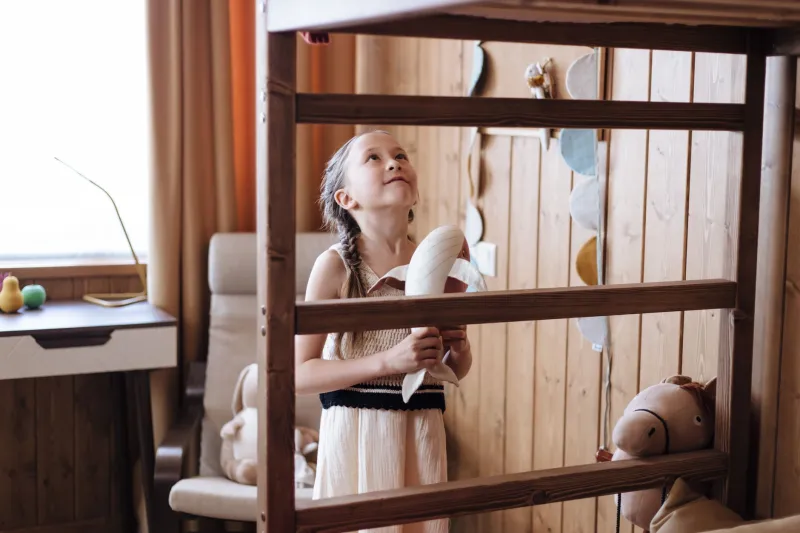
It happens without warning. No breakup speech, no tearful farewell, no forwarding address. One Tuesday morning, your child — who has slept with, bathed with, and once smuggled Captain Fuzzbucket into a dentist appointment — simply announces they don't want him anymore. Captain Fuzzbucket is left on the pillow, alone, looking vaguely betrayed.
You, meanwhile, are standing in the hallway having feelings about a stuffed animal.
Here's the thing: you're not weird for caring, and your kid isn't broken for moving on. What's happening is actually one of the most fascinating little windows into child development you'll ever accidentally stumble through. JoeJoe Bear is here to pull back the curtain — and help you figure out whether this is a totally normal plot twist or something worth paying closer attention to.
The Cold, Fluffy Truth About Transitional Objects
Developmental psychologists have a very clinical name for what most of us just call a lovey, a snuggle buddy, or "the thing we can NEVER forget at Grandma's house." They call it a transitional object — a comfort item that helps young children bridge the emotional gap between dependence on caregivers and growing independence in the big, loud, occasionally terrifying world.
Think of it this way: when your two-year-old couldn't process the anxiety of you leaving the room, Captain Fuzzbucket stepped in as a warm, squishy stand-in. He was emotional scaffolding. And scaffolding, by design, eventually comes down.
So when your child suddenly sidelines their beloved plushie, it often means one genuinely wonderful thing: they don't need the scaffolding as much anymore. Their internal emotional toolkit has grown. They've leveled up.
That's not sad. That's kind of incredible.
The Ages When the Great Stuffed Animal Breakup Usually Happens
There's no single "expiration date" stamped on the bottom of a teddy bear, but child development researchers have noticed a few predictable windows when kids tend to loosen their grip:
Ages 3–5: This is often the first wave. Kids entering preschool are suddenly surrounded by peers, new rules, and the intoxicating chaos of organized finger-painting. They're busy. Fuzzbucket may get demoted from "constant companion" to "nighttime-only associate."
Ages 6–8: School-age kids are navigating friendships, social hierarchies, and the dawning awareness that other kids might judge them. This is when the stuffed animal might quietly migrate from the backpack to the bedroom shelf. Peer perception starts to matter — sometimes more than it probably should, but that's a whole other article.
Ages 9–12: The tween years bring a more deliberate kind of identity reshaping. Kids this age are actively constructing who they are, and sometimes that means consciously shedding things that feel "babyish" — even if they secretly still feel a little attached. (Spoiler: a lot of them do.)
None of these transitions are cause for alarm on their own. They're developmental mile markers, not red flags.
When the Break Is Sudden, Not Gradual — Does That Matter?
Here's where it gets a little more nuanced. Most healthy detachment from a stuffed animal happens gradually — the plushie slowly loses its "emergency contact" status before eventually becoming a shelf decoration with good memories attached.
But sometimes the rejection is abrupt. Overnight, even. And that can mean a few different things.
On the totally-normal end of the spectrum, a sudden break can follow a major milestone — starting kindergarten, a new sibling arriving, moving to a new house. Kids sometimes make a kind of internal announcement to themselves that they're "big now," and they act on it decisively. It's almost theatrical. They're performing their own growth for an audience of one.
On the worth-a-second-look end, a sudden and complete withdrawal from comfort objects — especially if it's paired with other changes like disrupted sleep, increased clinginess, emotional outbursts, or social withdrawal — can sometimes signal that a child is processing something stressful and doesn't quite have the language for it yet. In those cases, the stuffed animal isn't being outgrown; it's being avoided because comfort itself feels complicated right now.
If you're seeing that second pattern, a conversation with your pediatrician or a child therapist is a genuinely good idea. Not because something is definitely wrong, but because kids deserve a little extra support when they're quietly struggling.
What to Do With the Newly Retired Plushie (And Your Own Feelings About It)
Let's be honest: sometimes parents grieve this transition harder than the kids do. You remember the night you drove back to the hotel at 11 PM because Fuzzbucket got left behind. You have feelings. That's allowed.
But how you handle the plushie's retirement matters more than you might think.
Don't force the reunion. Pulling the stuffed animal back out and insisting your child "say goodnight to their old friend" is well-intentioned but can backfire. Let your kid lead.
Don't quietly donate it without asking. Even if your child seems totally unbothered, involving them in the decision to donate, store, or repurpose the toy gives them agency and honors the relationship they had with it. Ask first. Always.
Do acknowledge the history. A simple "Remember when you and Captain Fuzzbucket were totally inseparable? That was really sweet" is enough. It validates the relationship without pressuring your kid to feel nostalgic on your timeline.
Do consider a keepsake option. Some families tuck beloved plushies into a memory box, take a photo series, or even commission a small piece of artwork. It's a lovely way to honor something that genuinely mattered — without turning the living room into a stuffed animal museum.
One Last Thing From JoeJoe Bear
Here at JoeJoe Bear, we have a lot of feelings about stuffed animals (occupational hazard, honestly). But we also believe that the whole point of a great stuffed companion is to help kids feel safe enough to eventually not need one quite so desperately.
When your kid outgrows their plushie, that bear did its job. It showed up every night, soaked up every tear, survived every washing machine cycle, and quietly helped a small human figure out how to be brave.
If that's not a success story, we don't know what is.
So go ahead and feel your feelings about the empty spot on the pillow. And then maybe give yourself a little credit too — because the kid who's ready to sleep without a stuffed animal? You helped build that kid.
Captain Fuzzbucket would be proud.