So Long, Snuggles? How to Know When Your Kid Is Ready for a Brand-New Stuffed BFF
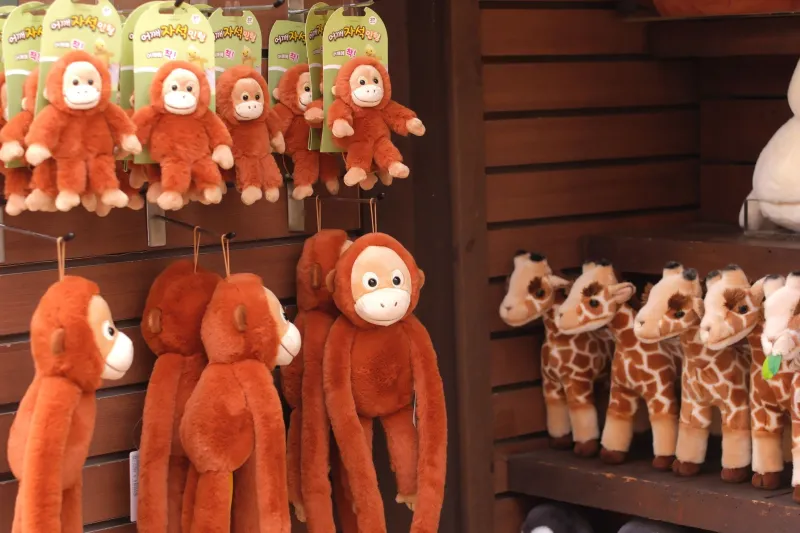
There's a moment—quiet, a little bittersweet, and honestly kind of sneaky—when you realize the stuffed rabbit that once went everywhere with your kid has been sitting on the shelf for three weeks without anyone noticing. No panic. No tearful reunion. Just... there it sits, floppy ears and all, watching the world go by from between a soccer trophy and a half-finished LEGO set.
Welcome to the Great Plushie Transition. It happens to almost every family, and it's perfectly normal. But navigating it? That's where things get delicate.
At JoeJoe Bear, we take stuffed animal relationships very seriously (probably more seriously than is professionally recommended). So let's dig into what's actually happening in your child's heart and brain during this shift—and how to make the whole thing feel less like a loss and more like a milestone worth celebrating.
First, What's Actually Going On Developmentally?
Child psychologists have long recognized stuffed animals as what they call "transitional objects"—a term coined by British pediatrician D.W. Winnicott back in the 1950s. These beloved companions help young children bridge the gap between dependence and independence. They're a portable piece of security in a world that can feel pretty big and unpredictable.
But here's the thing about development: it keeps moving. As kids grow, their emotional needs shift. A four-year-old needs a constant companion for comfort and imaginative play. A seven-year-old might be building more complex friendships, developing new interests, and exploring a wider emotional vocabulary. The original stuffed animal didn't fail them—it worked. It did exactly what it was supposed to do, and now your child is ready for the next chapter.
The transition away from an original companion isn't abandonment. It's graduation.
Signs Your Kid Might Be Ready for a New Companion
Not sure if you're actually at that inflection point, or just having a low-attachment week? Here are some signals worth paying attention to:
- The old plushie stays home without drama. Your child used to insist on packing it for every car ride, playdate, and dentist appointment. Now it's just... wherever.
- New interests are emerging fast. Maybe dinosaurs have become a full-blown obsession, or they're suddenly wild about a specific animal they learned about in school. These passions are clues.
- They're talking about other kids' stuffed animals. "Mia has this really cool octopus plushie" is basically your child filing a formal request.
- They're older and a bit self-conscious. Around ages 6–9, some kids start feeling a little awkward about their original companion—especially if it's visibly worn—without quite knowing how to say so.
- They ask. Sometimes they just... ask. And we should probably listen to that.
How to Introduce a New Companion Without the Guilt Trip
Here's where a lot of well-meaning parents accidentally stumble. They either make the new plushie arrival feel like a covert operation (sneaking it in like contraband) or they over-explain it with so much emotional scaffolding that the kid starts crying even though they were fine five minutes ago.
The sweet spot? Make it feel like a welcome, not a replacement.
Let your child choose. Whenever possible, involve your kid in selecting their new companion. A trip to a toy store or a browse through a plushie shop—yes, even online—where they get to point and say "THAT ONE" is powerful. Ownership of the choice matters enormously.
Build a little ceremony around the introduction. Give the new arrival a name together. Decide where it sleeps. Maybe let your child "introduce" it to the original companion. This sounds a little silly, and it is, and that's exactly why kids love it.
Don't rush the old one out. The original stuffed animal doesn't need to disappear. It can coexist. In fact, a lot of kids find comfort in knowing their first companion is still around, just not in the same starring role. Think of it as a promotion to the Hall of Fame shelf.
Real Families, Real Transitions
Parents in our JoeJoe Bear community have shared some genuinely sweet stories about navigating this moment.
One mom from Ohio described how her daughter had carried the same well-worn elephant since she was eighteen months old. By age seven, the elephant—lovingly named "Peanut"—was missing an eye and had been repaired so many times it was basically held together by love and hot glue. When her daughter started showing interest in wolves after a school project on wildlife, her mom surprised her with a wolf plushie on the last day of second grade as a "you crushed it this year" gift. Peanut didn't disappear. He got a special spot on a shadow box shelf with a little handwritten label: First Best Friend. Her daughter cried happy tears, not sad ones.
Another dad from Texas shared that his son—a hardcore dinosaur kid—was deeply attached to a bear he'd had since the NICU. When the boy turned eight and started feeling "too old" for it, his dad helped him make a memory box: they tucked the bear inside with a photo, a little note his son dictated, and a drawing he made of the two of them "going on adventures." The box lives in his closet. He checks on it sometimes. No drama. Just history, preserved.
These stories aren't anomalies. They're what happens when parents treat the transition with the same care they'd give any other meaningful rite of passage.
Honoring the Original: Legacy Over Loss
The worst thing you can do—according to basically every child development expert and our own deeply held JoeJoe Bear philosophy—is to quietly donate or toss the original companion without acknowledgment. Even if your child seems unbothered, there's often more emotional weight attached than they can verbalize.
Instead, consider:
- The Memory Box Method (as described above)
- A dedicated "Retired Heroes" shelf where beloved originals are displayed with honor
- A photo book featuring the stuffed animal in all its greatest moments
- Passing it forward with intention—if your child is genuinely ready to let go, helping them gift it to a younger sibling, cousin, or donation drive turns the ending into an act of generosity
The goal isn't to manufacture grief where there isn't any. It's to make sure the meaning of that original relationship gets acknowledged and preserved.
The Bigger Picture
What we're really talking about here is teaching kids something they'll use for the rest of their lives: how to hold onto what mattered while still moving forward. How to honor a relationship that's changing shape without pretending it didn't exist. How to welcome something new without feeling like they're betraying something old.
That's not a small lesson. That's a huge one.
And if it starts with a slightly lopsided elephant named Peanut being gently moved to a shelf of honor while a brand-new wolf plushie takes up residence on the pillow? Well. We'd say that's a pretty great place to start.
JoeJoe Bear believes every stuffed animal deserves a legacy—and every kid deserves a companion that grows with them. 🐾