Stitch It Up, Doc: The Beautiful Reason Kids Turn Into Tiny ER Surgeons for Their Broken Stuffed Animals
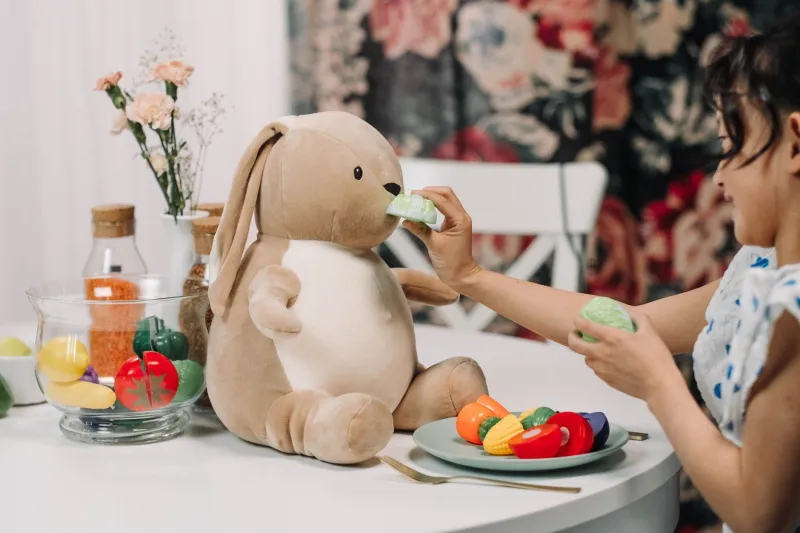
It always starts the same way. A seam pops. A button eye goes AWOL somewhere between the couch cushions and the backyard. A beloved ear gets chewed down to a nub by the family dog. And then — before you can even assess the damage yourself — your child has declared a full-scale stuffed animal emergency.
Suddenly, you're watching a five-year-old construct a makeshift hospital out of a shoebox, wrap a plushie's "injured" arm in toilet paper bandages, and deliver a very serious prognosis in the most authoritative tiny voice you've ever heard.
Funny? Absolutely. But also? Kind of profound.
Here at JoeJoe Bear HQ, we've seen a lot of plushie ER situations, and we're here to tell you: when your kid insists on saving their battered stuffed animal instead of swapping it for a shiny new one, that instinct deserves a standing ovation.
Why the "Fix It" Urge Is Such a Big Deal
Let's back up for a second. Why do kids even care so much about a toy that's missing an eye and smells vaguely of apple juice?
Child development researchers have a term for the intense emotional bond kids form with specific objects: transitional attachment. These aren't just toys. They're emotional anchors — little fuzzy stand-ins for security, comfort, and unconditional companionship. The specific bear matters. The worn-out, floppy, slightly crusty bear matters MORE than any pristine replacement ever could, because that imperfection is actually proof of love.
So when a stuffed animal gets damaged, your child isn't just reacting to a broken toy. They're responding to a perceived threat to something genuinely meaningful. And their instinct — to heal, to fix, to care for — is one of the most emotionally intelligent responses a small human can have.
The Tiny Doctor Is Actually Learning Enormous Things
Here's where it gets really good. When your kid plays "stuffed animal rescue," they're not just being cute (though, yes, they are absolutely being cute). They are actively building skills that researchers link to long-term emotional health and social success.
Empathy in action. Pretending that a stuffed bear feels pain or fear requires a child to step outside their own perspective and imagine someone else's experience. That's empathy — and it's a skill that takes years to fully develop. Every "How are you feeling, Mr. Fluffington?" is a tiny empathy workout.
Responsibility and follow-through. Caring for something that "needs" them gives kids a sense of purpose. They check on the patient. They remember to change the bandage. They take the job seriously. This kind of self-directed responsibility, even in play, lays the groundwork for reliability in real-world situations.
Tolerance for imperfection. This one is huge. In a world of Instagram-perfect everything, a child who looks at a tattered, lopsided stuffed animal and says, "I still love you, and I'm going to take care of you" is practicing something adults spend years in therapy trying to learn. Unconditional acceptance. The bear doesn't have to be perfect to be worthy of love. That's... actually a life lesson.
Problem-solving and creativity. No needle and thread? No problem — tape, hair ties, and a carefully folded paper towel will do just fine. Kids improvising solutions for their stuffed patients are flexing real cognitive muscles. They're assessing a problem, generating options, and executing a plan. In a shoebox hospital. With a stuffed giraffe. Brilliant.
What Happens When Parents Step In Too Fast
Okay, confession time. How many of us have immediately offered to replace a damaged stuffed animal, thinking we were being helpful? Raise your hand. (JoeJoe's paw is up too. No judgment.)
Here's the thing — when we rush to swap out the broken toy for a brand-new one, we accidentally short-circuit the whole experience. We're essentially telling kids: when something is imperfect, the answer is to discard it and start over. That's a message worth thinking twice about.
Letting kids sit with the "problem" of a damaged beloved toy — and work through their response to it — is genuinely valuable. It might mean a messy repair job. It might mean a stuffed bear with three bandages and a splint made of popsicle sticks. It will definitely mean a lot of very dramatic medical dialogue. And all of that is good.
Of course, if a plushie is truly beyond saving (we're talking structural collapse, stuffing escaping at an alarming rate), there are beautiful ways to honor it — turning it into a keepsake, giving it a ceremonious retirement. But whenever possible, let the rescue operation play out first.
How to Be the Best Stuffed Animal Hospital Administrator
So your kid has declared a plushie emergency. Here's how to be the world's greatest support staff without taking over the operating room:
- Ask, don't tell. "What do you think Teddy needs?" is infinitely more powerful than "Here, I'll fix it." Let them diagnose and prescribe.
- Supply the ER. Keep a little box of "hospital supplies" handy — soft fabric scraps, safe craft tape, cotton balls, kid-safe scissors. You're not doing the surgery; you're stocking the supply closet.
- Take it seriously. If your kid tells you the bear has a broken heart, don't laugh it off. Nod gravely. Ask what treatment plan they recommend. Match their energy.
- Celebrate imperfect repairs. When the fix is done — however wobbly or lopsided — make a big deal of the recovery. "Look how brave your bear was! Look how well you took care of them!"
- Let the scar be a story. That crooked stitching or slightly lumpy patch? That's character. That's history. That's your kid's love, made visible.
JoeJoe's Take: Every Bear Deserves a Second Chance
Here at JoeJoe Bear, we believe pretty firmly that the most loved toys are the ones that look the most loved — which is to say, a little rough around the edges, a little worn, and absolutely irreplaceable.
When your kid races to the rescue of their battered plushie, they're not being irrational or overly dramatic. They're being human — deeply, beautifully, impressively human. They're learning that love isn't contingent on perfection. That broken things deserve care. That showing up for someone (or something) when they need you is the whole point.
Honestly? The stuffed animal hospital might be the most important classroom in your house.
Now if you'll excuse us, JoeJoe has a patient to check on. The prognosis is good. The bandage situation is chaotic. And everyone is going to be just fine.