Pass It Forward, Paw by Paw: Helping Kids Gift a Beloved Stuffed Animal to Someone Who Needs It More
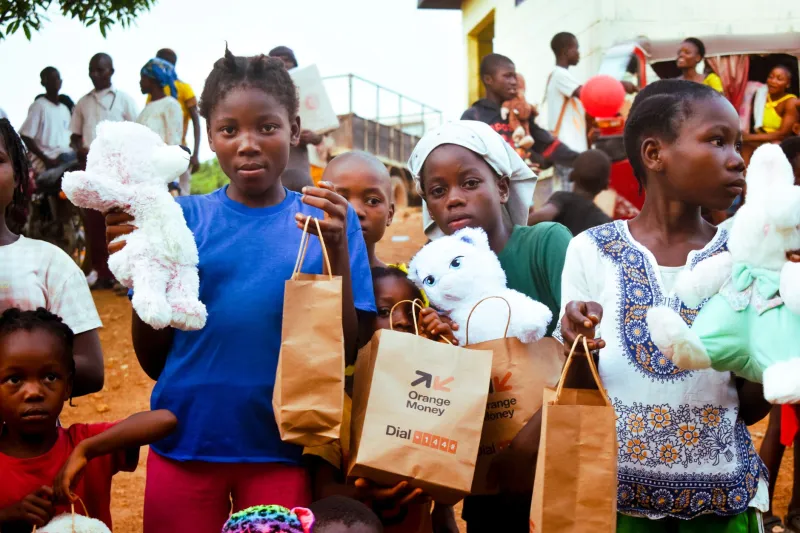
Here's a scene that plays out in households across America roughly ten thousand times a day: a parent, armed with a donation bag and the best of intentions, attempts to quietly retire a fraying, one-eyed plush rabbit from active duty. The child — who hasn't touched said rabbit in four months — immediately transforms into a hostage negotiator. The rabbit stays. The parent retreats.
We've all been there. But what if instead of sneaking toys into the donation pile under cover of darkness, we brought kids into the process entirely? What if we reframed the whole thing not as a loss, but as the beginning of chapter two?
That's the philosophy behind what we like to call the Great Stuffed Animal Pass-Forward — and trust us, it's a lot more fun (and a lot less tearful) than it sounds.
Why Letting Go Is Actually a Big Deal (And Shouldn't Be Rushed)
Before we talk strategy, let's acknowledge something important: your child's attachment to their stuffed animals is real. Like, genuinely, neurologically real. Plush companions help kids regulate emotions, process anxiety, and feel safe in an unpredictable world. So when we ask them to part with one, we're not just clearing shelf space — we're asking them to practice one of the hardest emotional skills humans ever learn: voluntary loss for someone else's gain.
That's actually huge. And it deserves to be treated that way.
Rushing the process or minimizing the feelings involved tends to backfire spectacularly. Kids who feel steamrolled often cling harder, not looser. But kids who feel heard, respected, and genuinely in charge of the decision? They surprise you every time.
Start With the Story, Not the Bag
One of the most effective tricks in the JoeJoe Bear playbook is to reframe the donation not as an ending, but as a plot twist. Stuffed animals, after all, have stories. They've been on adventures. They've survived juice spills, camping trips, and the occasional washing machine cycle of doom.
Sit down with your child and actually talk about their toy's journey. Ask questions:
- "Remember when Biscuit came with us to Grandma's house and got left in the car overnight?"
- "What's the bravest thing Mr. Floppington ever did?"
- "What do you think he'd want to do next?"
This kind of storytelling accomplishes two things. First, it honors the relationship your child has had with that toy. Second — and this is the clever part — it naturally opens the door to imagining a future story. One where the stuffed animal becomes a hero to a new kid who really needs a friend.
Suddenly, giving it away isn't sad. It's the next chapter of an epic.
Choosing the Right Recipient (This Part Matters More Than You Think)
Vague charity can feel abstract to young children. "We're donating it" doesn't carry much emotional weight when you're five. But "We're giving Biscuit to your baby cousin Mia, who just started sleeping in her own room and is a little scared" — now that lands.
Whenever possible, try to give the handoff a face. Options that tend to work well:
- A younger sibling or cousin who your child already loves and feels protective of
- A neighbor's new baby, where your child can literally see the toy go to a good home
- A local shelter or children's hospital donation drive, especially if you can show your child a photo of the organization or explain in concrete terms who benefits
- A church or school toy swap, where the exchange feels mutual and festive rather than purely sacrificial
The more specific and human the recipient feels, the more motivated most kids are to follow through — and the prouder they feel afterward.
Build a Send-Off Ritual (Yes, Really)
Rituals are powerful. They signal to the brain that something important is happening and that it's okay to have feelings about it. Don't skip this step.
A great stuffed animal send-off might include:
The Certificate of Adventures. Grab a piece of paper and help your child write (or dictate) a short letter to whoever receives the toy. It can describe the stuffed animal's personality, their favorite games, and any important care instructions. ("Bunny likes to sleep on the left side of the pillow. She does NOT like loud thunderstorms but is very brave about it.")
The Official Goodbye Hug. Simple, but don't skip it. Let your child hold the toy, say whatever they need to say, and take their time. No rushing.
A Photo for the Memory Book. Snap a picture of your child with the toy before it goes. Some families even create a little "alumni wall" of beloved toys that have been passed forward — a visual reminder that generosity has a legacy.
The Replacement Acknowledgment. This isn't bribery, it's developmental scaffolding. Letting your child choose a new small toy, or simply acknowledging that a special spot on the shelf is now open for a new friend, helps close the emotional loop.
What to Do When They Change Their Mind at the Last Second
It happens. You're standing in the church donation line with a bag full of plush animals, and your seven-year-old suddenly cannot live without the bear she hasn't looked at since 2022.
Don't panic. Don't shame. And don't force it.
Simply say, "That's okay. We don't have to give away anything you're not ready to let go of yet." Then quietly set that particular toy aside and revisit in a few weeks. Generosity that's coerced isn't really generosity — it's compliance. The goal here is to grow a kid who wants to give, and that takes time.
The Unexpected Payoff
Here's what parents consistently report after going through this process thoughtfully: their kids are proud. Like, walk-into-school-on-Monday proud. They tell their teachers. They tell their friends. They ask when they can do it again.
Because it turns out, children are not naturally selfish. They're naturally egocentric, which is developmentally appropriate and very different. When you give them the tools, the language, and the emotional support to act generously, most kids discover they actually love how it feels.
And somewhere out there, a little one who was scared of the dark is now sleeping soundly next to a well-loved bear with a whole lifetime of adventures already under its fuzzy belt.
Chapter two is going great.