Shh, Don't Tell Mom: The Real Reason Your Kid Whispers Everything to Their Stuffed Bear
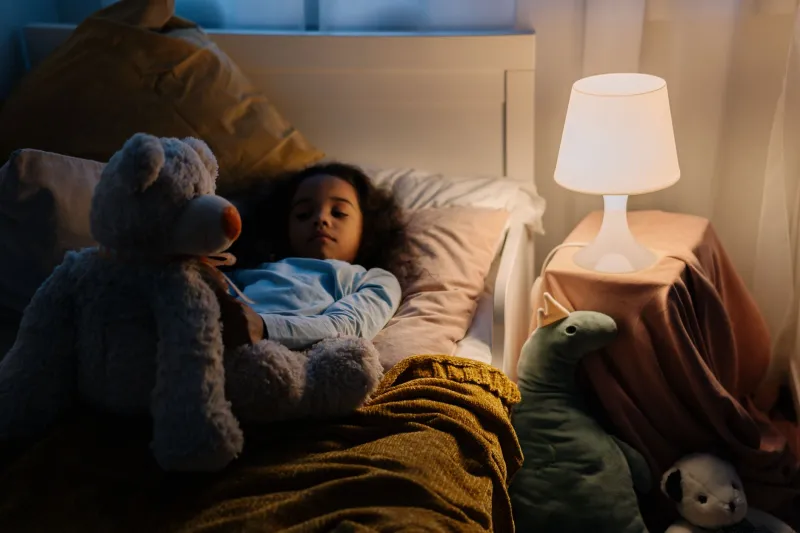
Let's paint a picture you probably recognize. It's 9:47 PM. The lights are off. You're about to congratulate yourself on a successful bedtime when you hear it — a tiny voice drifting down the hallway, clearly mid-conversation. You tiptoe closer. Your child isn't talking to a sibling, a tablet, or a ghost (hopefully). They're hunched over a lumpy stuffed bear, whispering with the kind of focused intensity usually reserved for presidential briefings.
Welcome to the Secret Keeper phenomenon. And according to child development experts, it's one of the most emotionally sophisticated things your kid does all day.
The Judgment-Free Zone Your Kid Built for Themselves
Here's the thing about grown-ups: we have opinions. Lots of them. We furrow our brows. We ask follow-up questions. We occasionally say things like, "Well, maybe if you'd shared your crackers, Jayden wouldn't have been so mean." We mean well. We really do. But from a child's perspective, talking to a parent or teacher carries risk — the risk of being corrected, redirected, or accidentally embarrassed.
A stuffed bear, on the other hand? Zero notes. No unsolicited feedback. No raised eyebrows.
Child psychologists describe this dynamic as a "low-stakes disclosure environment," which is a very fancy way of saying stuffed animals are terrible gossips and excellent listeners. When a child curls up with their plushie and starts confessing — about the friend who was mean at recess, the scary dream they had, the time they accidentally broke something and hid it behind the couch — they're practicing something genuinely important: the act of putting feelings into words without fear of consequence.
That's not avoidance. That's emotional rehearsal.
Why "Practicing" Vulnerability Is Actually the Point
Think about how hard it is, as an adult, to say "I'm embarrassed" or "I felt left out" out loud to another person. Now imagine being six years old, still figuring out what those feelings even are, let alone how to name them. The stuffed animal becomes a training ground.
Researchers in developmental psychology have long noted that children use pretend play — including conversations with toys — to process complex social and emotional experiences. When a child tells their bear about a conflict with a friend, they're not just venting. They're organizing the narrative. They're assigning roles, rehearsing possible responses, and sometimes even playing both sides of the argument out loud. (If you've ever overheard your kid giving their stuffed elephant a very stern talking-to, you've witnessed this in action.)
This kind of self-directed emotional processing is a marker of what experts call affective competence — the ability to recognize, manage, and communicate feelings. In other words, the kid whispering to their bear at midnight isn't being secretive. They're being emotionally intelligent. They just haven't figured out how to do it with humans yet, and that's perfectly developmentally on schedule.
The Bear Knows About the Crush, the Fear, and the Stolen Cookie
Ask any parent of a school-age child and they'll confirm: the stuffed animal hears things. Things that never make it to the dinner table. The name of the kid they have a crush on. The fear that nobody actually likes them. The deeply held belief that Brussels sprouts are a form of punishment.
This selectivity isn't random — it's strategic, even if unconsciously so. Children are remarkably attuned to social dynamics from a young age. They understand, on some level, that certain disclosures carry social weight. Telling a parent you're scared of something might invite concern, changed routines, or — worst of all — a Serious Talk. Telling the bear? The bear just sits there with its button eyes and its unconditional availability.
There's also an element of control at play. For kids, so much of daily life is decided by someone else — bedtimes, meals, schedules, rules. The stuffed animal relationship is one of the few places where a child holds all the power. They decide what gets shared. They decide when the conversation ends. That sense of agency over their own emotional world is genuinely healthy, and it's worth celebrating rather than worrying about.
When to Listen In (and When to Let It Be)
So what's a curious, caring parent supposed to do with all of this? First: resist the urge to interrogate. If you overhear something concerning — a worry, a fear, a social struggle — the instinct to swoop in immediately is understandable. But barging into the bear's therapy session tends to backfire. Kids who feel surveilled clam up fast.
A better move? Let some time pass, then create a casual, low-pressure opening. Something like, "Hey, I heard you were thinking about some stuff tonight — want to grab a snack and just hang out for a bit?" No direct reference to what you overheard. No pressure to perform emotional vulnerability on demand. Just an open door.
You can also take a page from the stuffed animal's playbook. The bear is a good listener because it doesn't interrupt, doesn't fix, and doesn't judge. The more you can mirror that energy — even imperfectly — the more likely your child is to eventually bring those midnight confessions to you, too.
JoeJoe Bear's Take: The Bear Keeps the Secret So You Can Keep the Connection
Here at JoeJoe Bear, we've always believed that a great stuffed animal is more than a toy — it's a companion for the hard stuff. The confusing stuff. The stuff that doesn't have a name yet but sits heavy in a little chest at the end of a long day.
When your child whispers to their bear, they're not shutting you out. They're building the emotional vocabulary they'll eventually use to let you in. The bear is the practice round. You're the championship game. And the fact that your kid is out there rehearsing, processing, and finding the words? That's the whole win.
So next time you tiptoe past that bedroom door and hear a tiny voice deep in classified conversation with a stuffed animal? Smile. Tiptoe away. Let the bear do its job.
Some secrets are just safe enough right where they are.