Lights Out, Imagination On: The Secret Storytelling World Your Kid Builds After Bedtime
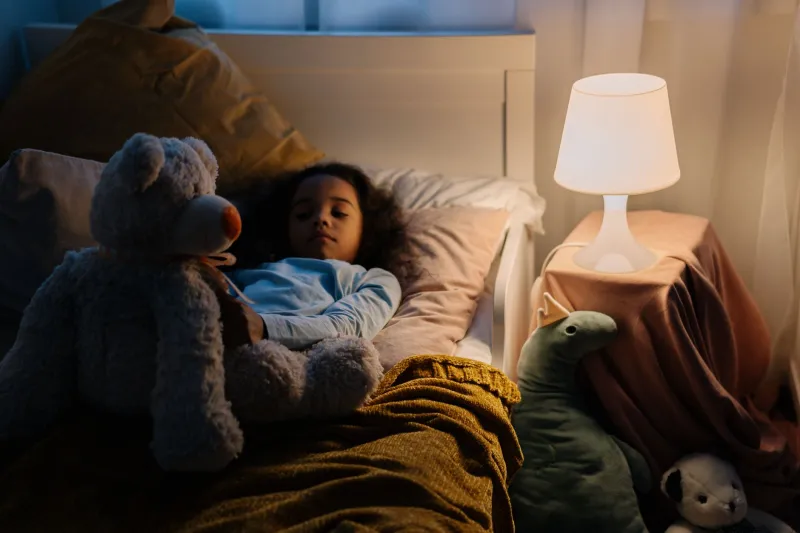
You did everything right. Bath? Check. Teeth brushed? Check. Three books, two glasses of water, one suspicious request to check for monsters behind the laundry hamper? Check, check, and absolutely check. You kissed that little forehead, whispered goodnight, and quietly closed the door.
And then — if you've ever lingered in the hallway for just a moment — you heard it.
A tiny voice. Multiple characters. What sounds suspiciously like a full diplomatic summit between a stuffed elephant named Gerald and a one-eyed bunny called Captain Flops. There are stakes involved. There may be a volcano. Someone named Mr. Buttons is definitely in trouble.
Welcome to the Midnight Adventure Club. Membership is exclusive, the meeting agenda is completely unhinged, and your kid is the CEO, the cast, and the entire audience all at once.
Here's the thing: this isn't a sleep problem. This is a superpower.
What's Actually Happening in That Bedroom
When the lights go out, something genuinely fascinating happens inside a child's mind. The structured noise of the day — school, snack time, playground politics, the tragedy of the wrong-colored cup — finally goes quiet. And into that quiet rushes something beautiful: pure, unfiltered narrative creativity.
Children between the ages of three and eight are in what developmental psychologists call a "symbolic play" golden era. Their brains are literally wired to make sense of the world through story. Stuffed animals aren't just soft objects to them — they're trusted collaborators, blank-slate characters who will never roll their eyes, never say "not now," and never once suggest it's time to wrap things up.
So your kid casts them. Directs them. Gives them voices, problems, and dramatic arcs. And in doing so, they're quietly doing some of the most important emotional work of their entire childhood.
The Emotional Processing You Didn't Know Was Happening
Here's a scenario that might sound familiar: your child had a rough day. Maybe someone at school said something unkind, or they didn't get picked for the team, or they got in trouble for something that felt deeply unfair. They seemed fine at dinner. Shrugged it off. You figured they'd moved on.
But at 8:47 PM, Captain Flops is being excluded from the Royal Adventure Squad, and Gerald the elephant is making a very passionate speech about fairness.
Sound familiar now?
Children often can't articulate complex emotions directly — not because they don't feel them, but because they haven't yet developed the vocabulary or the emotional distance to talk about them head-on. Nighttime storytelling with stuffed animals gives them a safe container. They can explore rejection, fear, jealousy, and disappointment through characters who aren't them — and then, crucially, they can fix it. They control the ending. Gerald's speech works. Captain Flops gets invited back. Justice is served, and somewhere in that small bedroom, a little heart feels just a little lighter.
Therapists actually use this principle all the time. It's called narrative play therapy, and your kid is basically running their own sessions, pro bono, with a cast of plush professionals.
Why Confidence Is Built One Story at a Time
There's another thing happening in those bedtime sagas that doesn't get nearly enough credit: your child is practicing being powerful.
In real life, kids have very little control. Adults decide when they eat, sleep, go places, and stop going places. Rules appear from nowhere. The world is enormous and frequently confusing. But in the Midnight Adventure Club? Your kid is the architect of entire kingdoms. They decide who gets the magic sword. They determine whether the storm destroys the village or mysteriously clears up just in time. They write the hero — and more often than not, the hero looks a lot like them.
This kind of imaginative agency isn't escapism. It's rehearsal. Kids who regularly engage in elaborate pretend play show stronger problem-solving skills, greater emotional regulation, and — perhaps most importantly — a more robust sense of self-efficacy. In plain English: they grow up believing they can figure things out. Because they've been practicing figuring things out, one bedtime story at a time.
The Part Where You Come In (No, Really)
Now here's where it gets interesting for parents — and where JoeJoe Bear has a gentle suggestion that might feel a little counterintuitive.
Sometimes, instead of enforcing lights-out the moment you hear narrative activity begin, you could just... listen. Or better yet, ask to be let in.
Not every night. Not as a stalling tactic your kid can weaponize indefinitely (we see you, tiny negotiators). But occasionally, sitting down and asking to hear the story — really hear it, with genuine curiosity — does something remarkable for your relationship.
First, it tells your child that their inner world matters to you. That the things they create have value. That you find them interesting not just as a child to be managed, but as a person with ideas worth hearing.
Second — and parents, this one is gold — it gives you a window. The storylines kids spin at bedtime are frequently not as random as they seem. Pay attention to the themes. Who's the villain? What problem keeps coming up? Who needs rescuing, and who does the rescuing? You might be surprised what you learn about what's weighing on your kid, presented in the safe disguise of fiction.
Third, when you become the audience instead of the sleep enforcer, you are building a memory. Kids remember the nights a parent sat on the edge of the bed and genuinely laughed at the part where Mr. Buttons accidentally launched himself into the moon. Those moments accumulate into something they'll carry for a very long time.
How to Be a Good Audience Without Accidentally Starting a Slumber Party
A few ground rules for parents who want to lean into this without completely blowing up bedtime:
Set a time boundary upfront. "I'll listen to one story, and then it's really lights out" gives you an exit that feels fair to everyone.
Ask open questions, not leading ones. Instead of "Is that about what happened at school today?" try "Wow, why did Captain Flops get left out?" Let them guide you.
Resist the urge to moralize. If the story has a theme you recognize, don't immediately launch into a teaching moment. Just listen. The processing is happening whether you narrate it or not.
Laugh when it's funny. Because it will be funny. Children's bedtime stories are genuinely, brilliantly weird, and your authentic reaction means more to them than any perfectly curated parenting response.
The Bear at the Center of It All
At JoeJoe Bear, we believe pretty firmly that stuffed animals are doing more work than most people give them credit for. They're not just bedroom décor or comfort objects (though they're excellent at both). They're the supporting cast in some of the most important developmental theater your child will ever perform.
So the next time you hear muffled voices and elaborate sound effects drifting under that bedroom door, maybe don't rush to shush it. Grab a spot in the hallway. Listen for a minute. You might just discover that your kid is spinning pure gold — and that the Midnight Adventure Club has been doing just fine without you.
Though they probably wouldn't mind if you knocked.