Congratulations, You've Been Plushified: What to Do When Your Kid Names a Stuffed Animal After You
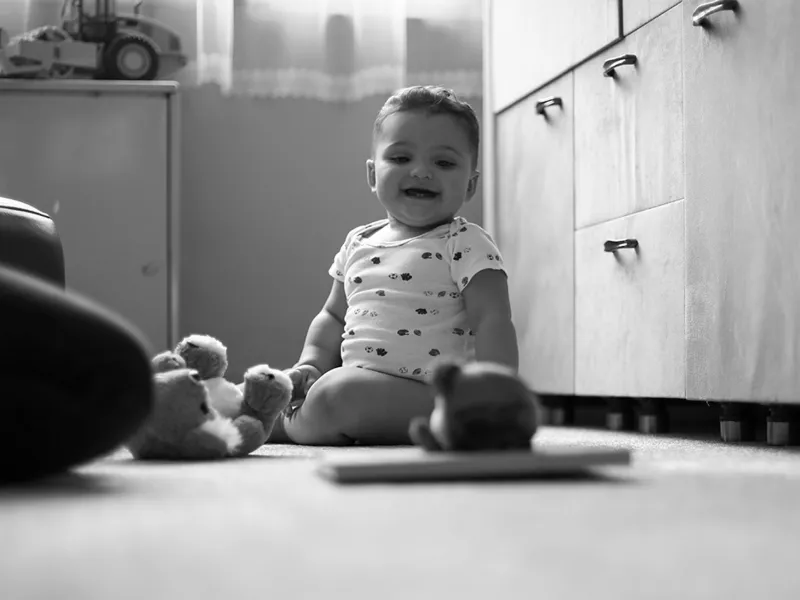
It starts innocently enough. You're folding laundry on a Tuesday evening when your seven-year-old trots in holding a lumpy, vaguely trapezoidal stuffed bear and announces with complete seriousness: "This is Daddy. He lives under my pillow and I'm in charge of him now."
And just like that, you've been plushified.
Welcome to one of parenthood's most gloriously disorienting milestones — the moment your child names a stuffed animal after you, a sibling, a grandparent, or anyone else in the family orbit. It is, simultaneously, the most flattering and most humbling thing a small human being can do to you. You are important enough to be immortalized in plush form. You are also, apparently, something that gets shoved under a pillow and occasionally blamed for the mess in the bedroom.
Here at JoeJoe Bear HQ, we have feelings about this phenomenon. Big feelings. Fluffy feelings. Let's get into it.
The Moment It Happens (And Why It Stings Just a Little)
Parents across the country have reported versions of the same experience. A child comes home from a birthday party, a grandparent's house, or a Target run with a brand-new stuffed creature. The naming ceremony — because yes, it is a ceremony — begins. The child holds the animal aloft, studies it with the gravity of a Supreme Court justice, and then announces the name.
Sometimes it's an honor. "This is Grandma Betty," your daughter declares, presenting a fluffy white rabbit wearing an expression of dignified patience. That tracks. Grandma Betty does have that energy.
Other times, it's... less flattering. "This is Daddy," your son announces, holding up a bear that is missing one eye, has a torn seam running up its back, and is inexplicably sticky. You laugh. You cry a little inside. You wonder what, exactly, you've been projecting.
Then there's the sibling version, which is its own special category of chaos. "This is Baby Sister," your oldest announces, introducing a small, squeaky toy that she proceeds to boss around, ignore, and occasionally sit on. Your youngest, who is standing right there, watches this unfold with the expression of someone who has been personally wronged.
The drama. The drama.
What Child Psychologists Actually Say About This
Here's the thing — as funny as the plushification phenomenon is, child development experts will tell you it's also genuinely significant. When kids name stuffed animals after real people in their lives, they're doing something cognitively and emotionally sophisticated.
Dr. Sandra Leanne Bosacki, a researcher who has studied children's social-emotional development, has noted that children use symbolic play — including stuffed animals and dolls — to process their understanding of relationships, power dynamics, and feelings they can't yet articulate. In other words, your kid isn't just being randomly weird. They're working something out.
When a child names a plushie after a parent, they're often experimenting with role reversal. In real life, parents are the ones in charge. But with Stuffed Animal Daddy, the child calls the shots. Stuffed Animal Daddy sleeps when he's told, goes on adventures when invited, and never once argues about screen time. It's a safe, contained way for kids to explore what it feels like to be the one with authority — without any actual consequences.
Child psychologist Dr. Lawrence Cohen, author of Playful Parenting, has written extensively about how children use play to process big feelings about the people they love. The stuffed animal becomes a stand-in — a way to practice emotions, work through frustrations, and even rehearse difficult conversations. So if your kid's plushie version of you gets a stern talking-to about "not listening," maybe... take notes.
The Sibling Rivalry Edition (Oh, It Gets Messy)
If you think being immortalized as a slightly sticky one-eyed bear is rough, spare a thought for the sibling who got assigned the role of the squeaky toy that keeps getting sat on.
Children often use the stuffed animal cast to recreate — and subtly rewrite — the family power structure. Older siblings might name a small, lower-status plushie after the baby of the family. Younger siblings might give the biggest, most impressive stuffed animal in the collection the name of an older brother or sister, then immediately put them to work as a pillow.
This is normal. This is healthy. This is also absolutely hilarious to watch from a safe distance.
What it reveals, according to family therapists, is that children are acutely aware of where everyone sits in the family hierarchy — and they're constantly, quietly negotiating their own place within it. The stuffed animal theater is where that negotiation plays out in its purest, fluffiest form.
If your kids are casting each other in the plushie drama, try not to intervene too quickly. Pay attention to the stories they're telling. You might learn more about how your children see their relationship with each other in one afternoon of stuffed animal play than in a dozen family dinners.
When It's Touching (Even If You Don't Admit It)
Here's the part nobody warns you about: sometimes being plushified is genuinely, unexpectedly moving.
Parents have described their children carrying the "Mommy" stuffed animal to school on the first day of kindergarten, clutching it during thunderstorms, or whispering to it during a scary doctor's appointment. In those moments, the plushie isn't a joke. It's a comfort object in the truest sense — a portable piece of the person your child loves most, available for hugging even when the real version is at work or across the room.
When your kid names their stuffed animal after you, they're saying something they might not have the words for yet: You make me feel safe. I want to carry that feeling with me everywhere.
That one-eyed, vaguely sticky bear under the pillow? That's love, baby. Lumpy, asymmetrical, inexplicably damp love.
How to Respond When It Happens to You
So what do you actually do when you find out you've been plushified? A few JoeJoe Bear-approved suggestions:
Lean into the honor, no matter what the bear looks like. Resist the urge to say "But that bear is so raggedy!" Your kid picked that one for a reason, and in their mind, it's a compliment.
Ask about the stuffed animal's life. "What does Stuffed Animal Daddy like to do for fun?" You might get some genuinely illuminating — and hilarious — answers about how your kid perceives you.
Watch the stories that unfold. If your child is playing out scenarios with the plushie version of you, those stories can be a window into feelings they're processing. Keep it light, stay curious, and don't get defensive if Stuffed Animal You gets grounded.
Take a photo. Immediately. You will want this later. You will want it framed. You will want to show it at their wedding.
And if you've been assigned the sticky bear with one eye? Wear it with pride. In the economy of childhood affection, being noticed — even sideways, even slightly — is everything.
The Bear Knows
At JoeJoe Bear, we believe stuffed animals hold more wisdom than they let on. And maybe that's exactly right. When a child plushifies someone they love, they're doing what humans have always done — turning the people who matter into something they can hold, protect, and carry close.
So yes, you've been immortalized as a lumpy bear with questionable hygiene and zero authority in your own home. But you've also been loved out loud, in the most kid-like, unfiltered, completely earnest way imaginable.
Honestly? That's the best kind.