Doctor Is In: Why Your Kid Wants to Save Every Sad, Scruffy Plushie They've Ever Laid Eyes On
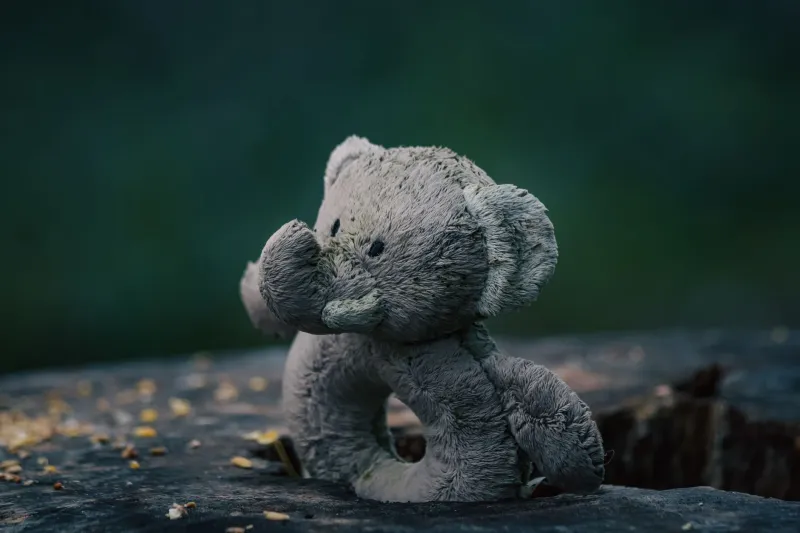
It starts innocently enough. You're at a neighbor's garage sale, hunting for a decent set of mixing bowls, when your child freezes mid-stride. There, wedged between a broken Easy-Bake Oven and a stack of VHS tapes nobody asked for, sits a stuffed rabbit. One ear. Permanent marker mustache. Fur the color of old dishwater.
Your kid looks at you with the exact expression people use when they find a stray dog in a rainstorm.
"Mom. He needs us."
Welcome to the Great Plushie Resurrection — one of parenthood's most chaotic, most adorable, and genuinely most meaningful recurring events.
The Scruffy Ones Always Get Chosen First
Here's the thing nobody warns you about: kids don't always want the shiny, perfect toy. Given a table full of pristine stuffed animals and one absolutely demolished, clearly-been-through-some-stuff bear with a missing eye and a mysterious stain, a surprising number of children will reach straight for the disaster bear.
Child development researchers call this "nurturing play," and it's a deeply healthy instinct. When a child sees a damaged or neglected object — especially one with a face — something clicks in their brain that says this one needs me more. That's not irrationality. That's empathy doing exactly what it's supposed to do.
Kids between the ages of three and eight are in a prime window for developing what psychologists call "prosocial behavior" — the drive to help, comfort, and protect others. Stuffed animals, especially imperfect ones, are perfect stand-ins for practicing those impulses in a safe, low-stakes way. The threadbare rabbit at the garage sale isn't just a toy. It's a patient. A project. A friend who doesn't have anyone yet.
And your kid just volunteered.
What's Actually Going On in That Compassionate Little Head
Let's break down what your child is experiencing in that pivotal garage-sale moment, because it's more sophisticated than it looks.
First, they're practicing perspective-taking — imagining what it would feel like to be that forgotten stuffed animal. Nobody wanted it. Nobody took care of it. That thought is genuinely distressing to a young child, and their instinct is to fix it. This is the same mental muscle that eventually grows into the ability to notice when a classmate is sitting alone at lunch.
Second, they're exercising agency. Young children spend most of their lives being told what to do, where to go, and when to eat their vegetables. Rescuing a plushie is one of the few moments where a child gets to be the powerful one — the decision-maker, the hero, the one who shows up. That feeling matters enormously for developing confidence and self-worth.
Third — and this is the part that really gets us here at JoeJoe Bear — they're learning that love isn't conditional on perfection. A kid who chooses the beat-up bear over the mint-condition one is internalizing something profound: that something (or someone) doesn't have to be flawless to deserve care. That's a lesson plenty of adults are still working on.
The Rescue Mission Rolls Deep (Sometimes Too Deep)
Of course, there is a flip side to all this beautiful compassion, and it lives in your living room. Specifically, in the corner where seventeen rescued plushies now reside in what your child has named "The Recovery Ward."
If your kid has the plushie-rescue gene, you already know how quickly a single thrift store trip can spiral. Every stuffed animal on the shelf suddenly has a backstory, a name, and an urgent medical situation. The pink elephant with the missing trunk? Absolutely cannot be left behind. The deflated penguin in the clearance bin? She's been through enough, thank you very much.
The compassion is real. The storage situation is also real. Both things can be true.
Parents often feel caught between wanting to encourage this beautiful nurturing instinct and not wanting to end up on a home organization show. The good news: you don't have to choose. You just need a gentle framework.
How to Support the Rescuer Without Drowning in Plushies
Give the rescue mission structure. Before heading to a thrift store or garage sale, set a clear and friendly expectation: "Today we're looking for one special friend who needs a home." One. Singular. Making it a mindful choice — rather than a sweep of the entire shelf — actually deepens the experience. Your child has to really look and decide which plushie needs them most. That's a richer, more intentional act of compassion than grabbing everything in reach.
Create a real "recovery" ritual at home. Let your child give the new arrival a proper welcome. A gentle bath (for washable plushies), a name ceremony, a designated spot in the room. This transforms the rescue from an impulse into a process — and it teaches follow-through. Caring for something isn't just about the dramatic moment of choosing it. It's about what happens every day after.
Talk about what the plushie might be feeling. This sounds a little silly, but it's developmentally gold. "What do you think Biscuit felt like when nobody picked him up for so long? How do you think he feels now?" These conversations build emotional vocabulary and empathy in ways that stick.
Introduce the idea of capacity. Even the most dedicated rescue organization has limits. You can gently explain that caring well for a few friends is more loving than collecting many and not having time for any of them. Kids get this more than we expect — especially if you frame it around the plushies' needs rather than your storage space.
Consider a "pass it forward" option. If the collection is overflowing, let your child choose a plushie that's been fully healed and loved up — and help them donate it to a pediatric clinic waiting room, a shelter, or a toy drive. The rescue mission doesn't have to end with your house. It can keep going.
The Bigger Picture JoeJoe Bear Wants You to See
Here's what we really want you to take away from all of this: a child who wants to rescue a forgotten, scruffy, one-eared stuffed animal from a garage sale table is showing you something extraordinary about who they are.
They see worth where others don't. They feel moved to act. They believe their love can make a difference.
That's not a parenting problem to manage. That's a human being worth nurturing right back.
So yes, maybe set a one-plushie limit before you walk into the thrift store. Maybe institute a "one comes in, one finds a new home" policy to keep the Recovery Ward from taking over the entire house.
But while you're doing all that sensible, practical parenting stuff? Take a second to appreciate the kid standing in front of that garage sale table, looking at a beat-up stuffed rabbit like it's the most important thing in the world.
Because to them, right now, it genuinely is.
And honestly? That's kind of everything.