Not Buying a Toy — Choosing a Forever Friend: The Beautiful Case for Stuffed Animal Adoptions
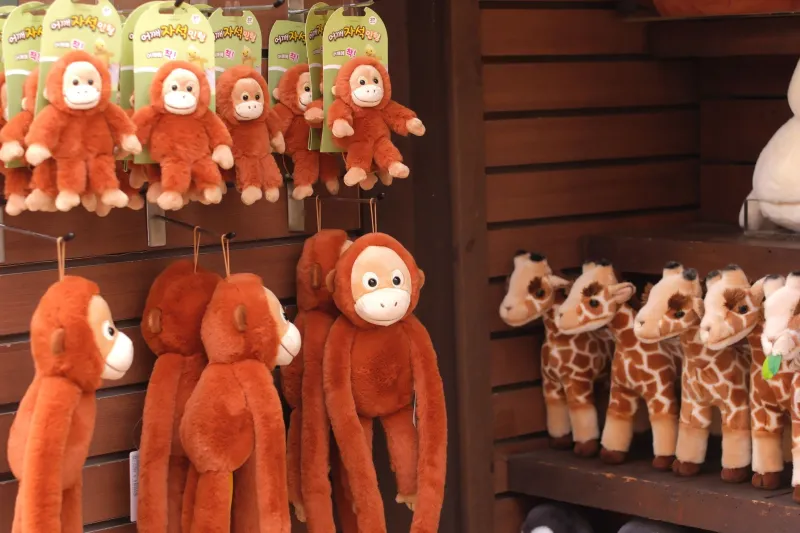
Here's a scene every American parent knows by heart: you're standing in the toy aisle at Target, your kid is frozen in front of a wall of plushies like they've been asked to defuse a bomb, and you're checking your watch because you've got approximately nine other things to do before dinner. Eventually, something gets grabbed — sometimes with intention, sometimes totally at random — and life moves on.
But what if that moment could be something more? What if, instead of a transaction, it became a decision? A commitment? A tiny, fuzzy act of empathy?
Welcome to the world of stuffed animal adoption — and trust us, once you see it this way, you'll never look at the plushie wall the same again.
The Difference Between Grabbing and Choosing
Kids are natural-born empathizers. Even toddlers will toddle over to a crying classmate and offer a hug nobody asked for. That instinct is wired deep, and it doesn't take much to activate it in powerful ways.
When a child grabs a stuffed animal because it's colorful or because it was right at eye level, the transaction is essentially the same as pulling a box of crackers off the shelf. There's nothing wrong with it — but nothing particularly meaningful happens either.
When a child adopts a stuffed animal — when they're invited to look carefully, consider which one seems like it needs them most, and make a deliberate choice — something genuinely different clicks into place. Suddenly, the bear isn't just a product. It's a responsibility. A relationship. A small creature that, in the logic of a five-year-old's heart, was waiting specifically for them.
Developmental psychologists have long noted that children between ages three and eight are in a prime window for building what's called prosocial behavior — the tendency to help, share, and care for others. Framing a stuffed animal purchase as an adoption taps directly into that developmental sweet spot. You're not just buying a toy. You're giving your kid a chance to practice being a good person.
Why the Word 'Rescue' Does Something Magical
Language matters enormously to kids — especially young ones who are still building their understanding of how the world works. The word rescue carries serious emotional weight. Heroes rescue things. Firefighters rescue people. And now? Your kid can rescue a plushie.
When parents introduce the idea that a stuffed animal on a store shelf is waiting to find its home — its real home, with the right kid — something lights up in children's imaginations. The plushie becomes a character with a story. The child becomes the hero of that story. And the act of choosing becomes charged with purpose rather than impulse.
This isn't manipulation or some elaborate parenting trick. It's storytelling. And kids? Kids run on storytelling. It's basically their operating system.
JoeJoe Bear himself would tell you: every plushie deserves a good home. And every kid deserves the chance to be the one who provides it.
Building Emotional Intelligence, One Adoption at a Time
Here's the part that might genuinely surprise you: the benefits of the adoption mindset don't stop at the toy store checkout line. They follow the child home.
Kids who are encouraged to choose their stuffed animals thoughtfully tend to invest more deeply in the relationship that follows. They name their plushies faster. They create more elaborate backstories. They're more likely to care for them, worry about them, and — this is the big one — practice empathy on them.
Psychologists refer to this as transitional object attachment, and it's a cornerstone of healthy emotional development. When a child nurtures a stuffed animal, they're rehearsing nurturing. When they worry about whether their bear is cold at night, they're practicing perspective-taking. When they insist their new plushie needs a special spot at the dinner table, they're — okay, that one's just adorable and slightly inconvenient, but still.
The adoption framing accelerates all of this by giving the relationship a meaningful origin story. It didn't just appear in a shopping bag. The child chose it. That sense of agency and responsibility shapes how they relate to the plushie going forward.
Practical Strategies for Parents: How to Run a Great Adoption Mission
Ready to turn your next toy run into something your kid will actually remember? Here's how to do it without making it weird or turning a five-minute errand into a three-hour philosophical exercise.
Set the scene before you arrive. In the car on the way to the store, tell your child that today they're going on an adoption mission. There are stuffed animals waiting for the right kid to come along and give them a home. Their job is to find the one that needs them specifically.
Slow down the selection process. Instead of letting your child grab the first thing that catches their eye, encourage them to walk the whole aisle (within reason — set a time limit if needed). Ask questions: Which one do you think has been waiting the longest? Which one looks like it needs a friend? You're not steering their choice; you're deepening their engagement with it.
Let them name it on the spot. Or on the drive home. Naming is a powerful act of ownership and attachment. The moment a child names a plushie, it stops being an object and becomes a someone.
Create a small welcome ritual. It doesn't have to be elaborate. Maybe the new plushie gets introduced to the other stuffed animals at home. Maybe it gets a special first night in the child's bed. A little ceremony goes a long way in cementing the emotional significance of the adoption.
Talk about responsibility in age-appropriate terms. Gently reinforce that this plushie is counting on them. It needs a safe place to sleep. It needs to feel like it belongs. This isn't pressure — it's purpose, and kids respond to purpose beautifully.
A Word for the Skeptical Parent in the Back
Yes, we hear you. It's still a stuffed animal. It still came off a store shelf. Nobody actually rescued anything, technically speaking.
Fair point. But here's the thing: the frame is the lesson. Children learn empathy not through lectures but through practice — through repeated experiences of noticing, caring, and taking responsibility for something outside themselves. If a plushie from Target is the vehicle for that practice, then that plushie is doing important work.
And honestly? Watching your kid solemnly carry a stuffed elephant to the register because it was the one that needed them most is one of those parenting moments that sneaks up on you and turns into a core memory. For both of you.
JoeJoe Bear has always believed that the best toys aren't the flashiest or the most expensive — they're the ones that come with a story. And when your child adopts a plushie instead of just buying one, they're not just taking home a toy.
They're starting a story that's entirely their own.