Meet the Cast: Why Your Kid Just Promoted Their Teddy Bear to 'Dad' and Demoted the Bunny to 'Annoying Little Sister'
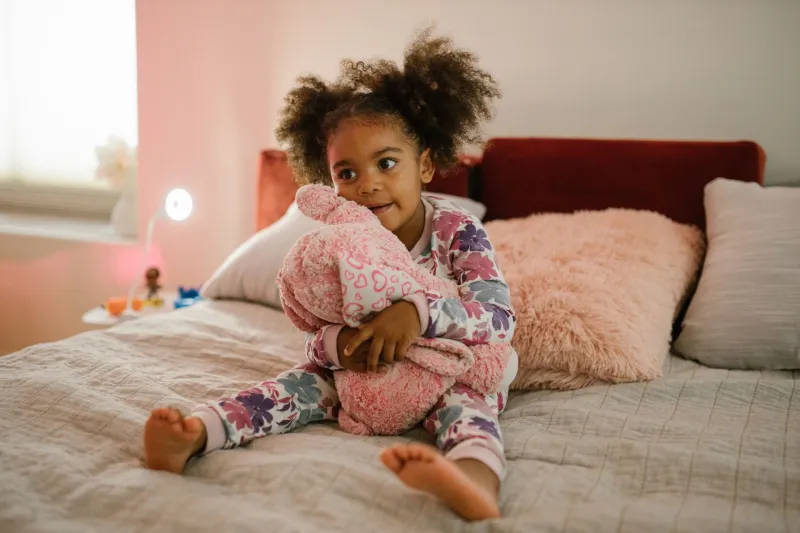
Somewhere between Tuesday afternoon and Wednesday morning, your child's stuffed animal collection quietly became a full-blown family drama. The big brown bear is now "the dad." The floppy-eared rabbit has been reassigned as "the baby who cries too much." The sparkly unicorn? Clearly mom. You know this because your kid announced it at breakfast with the confidence of a Hollywood casting director who has absolutely no notes.
Welcome to the stuffed animal family lineup — one of the most common, most fascinating, and most hilariously specific things children do with their plushie collections. And according to child development experts, it's also one of the most meaningful.
Why Kids Turn Their Plushie Shelf Into a Family Portrait
Here's the thing about little kids: they are constantly absorbing information about the world around them, especially the world inside their own home. Every argument they overhear, every hug they witness, every time a parent says "because I said so" — it all goes into the brain blender. Stuffed animal play is one of the primary ways kids pour all of that blended experience back out and try to make sense of it.
Child psychologists call this "representational play," and it's a cornerstone of healthy emotional development. When a four-year-old assigns her plush giraffe the role of "strict grandma who won't let you have cookies," she isn't being sassy. She's actually rehearsing her understanding of authority, rules, and relationships — using the safest possible cast of characters. Nobody's feelings get hurt when the giraffe gets told off.
The stuffed animals, essentially, become stand-ins. Safe, squishy, endlessly patient stand-ins who never actually get offended when they're cast as "the annoying one."
The Casting Process Is More Intentional Than It Looks
Here's where it gets genuinely interesting: kids don't just randomly assign roles. The choices are usually deliberate, and if you pay attention, they're pretty revealing.
Size matters. The biggest stuffed animal almost always gets the authority figure role — dad, mom, grandpa, the principal. It's not subtle, but it's developmentally perfect. Kids understand power dynamics partly through physical scale, so of course the enormous stuffed bear is in charge.
Personality traits matter too. A soft, worn-in plushie that the child has had since infancy often gets cast as a nurturing figure — a mom stand-in, a comforting older sibling, or a protective parent. Meanwhile, a newer, slightly chaotic toy (the one that falls over constantly, the one with the googly eyes that don't quite line up) tends to get cast as the troublemaker sibling or the unpredictable family member.
And yes — sometimes the role assignments are a direct mirror. If your child's older brother has been particularly insufferable this week, there's a good chance someone in the plushie lineup is getting the "annoying brother" title and a very firm talking-to.
What the Roles Your Kid Assigns Might Be Telling You
This is where parents might want to pull up a chair and quietly observe, because the stuffed animal family can be a surprisingly clear window into how your child is processing home life.
If the "parent" bear is always scolding: Your kid might be working through feelings about discipline or rules. This doesn't mean you're too strict — it means they're trying to understand the logic of boundaries by playing both sides of the conversation.
If the "sibling" plushie is always getting left out: There may be some real feelings about fairness or attention brewing. The stuffed animal lineup gives kids a way to act out those feelings without the stakes of an actual family conflict.
If the "parent" plushie is always rescuing everyone: That's a beautiful sign. Your child sees their caregivers as protectors, and they're rehearsing that safety net in play form. Go ahead and feel good about that one.
If roles change constantly and dramatically: Totally normal. Young children's understanding of family roles is still fluid and evolving. A plushie that was "dad" on Monday might be "the neighbor" by Friday. It doesn't mean anything is wrong — it means your kid's brain is working overtime, which is exactly what it's supposed to do.
JoeJoe Bear's Take: The Stuffed Animal Stage Is Sacred
Here at JoeJoe Bear, we have a lot of feelings about the magical things that happen when kids and their plushies get together — and the family lineup is one of our absolute favorites. There's something genuinely moving about a child who takes their stuffed bear, looks it dead in its button eyes, and says, "You're the dad now. Be nice."
That's not just cute. That's a kid trying to understand love, authority, protection, and belonging — using the tools available to them, which happen to be fuzzy and machine washable.
Child development researchers consistently point out that this kind of symbolic play — where objects stand in for real people and real relationships — is a key marker of cognitive and emotional growth. Kids who engage in rich representational play tend to develop stronger empathy, better emotional vocabulary, and more sophisticated social skills. The stuffed animal family isn't a distraction from development. It is development, dressed up in a tiny bear costume.
How Parents Can Engage Without Hijacking the Show
The temptation to dive into your kid's stuffed animal family drama is real. You want to know who's who, why the unicorn is crying, and whether that very small sock being used as a blanket has any deeper meaning. Totally understandable.
But the golden rule here is: follow their lead. If your child wants to introduce you to the cast, let them. Ask gentle, curious questions — "Oh, what does the big bear do in your family?" — rather than leading questions that might redirect their narrative. The story they're telling is theirs, and the value is in the telling.
If you notice something in the play that seems worth a real conversation — like a stuffed animal who "always gets yelled at" or one who "never gets to play" — that's a gentle opening. Not a confrontation, just a curious, low-stakes moment to check in. "I noticed your bunny seems a little left out today. Does that ever feel like how you feel sometimes?"
Sometimes the stuffed animals are just stuffed animals. And sometimes they're the most honest thing in the room.
The Credits Roll, But the Story Keeps Going
Your kid's plushie casting choices will shift and evolve as they grow, as the family changes, as new siblings arrive or old dynamics shift. The bear who was "dad" at four might become "the wise old grandfather" by seven. The chaotic googly-eyed toy might graduate from "annoying sibling" to "best friend who gets into trouble with me."
That evolution is the whole point. The stuffed animal family grows and changes because your child's understanding of family grows and changes — and every new casting choice is a tiny, fluffy milestone worth noticing.
So the next time you walk in on a very serious plushie tribunal or a stuffed animal dinner party with assigned seating, don't interrupt. Grab a seat on the floor, let the bear keep his role as head of household, and appreciate the fact that your kid just handed you a window straight into their heart.
The show's not over. It's just getting good.