Forget the White Noise Machine: The Fuzzy Little Sleep Secret Pediatric Experts Actually Swear By
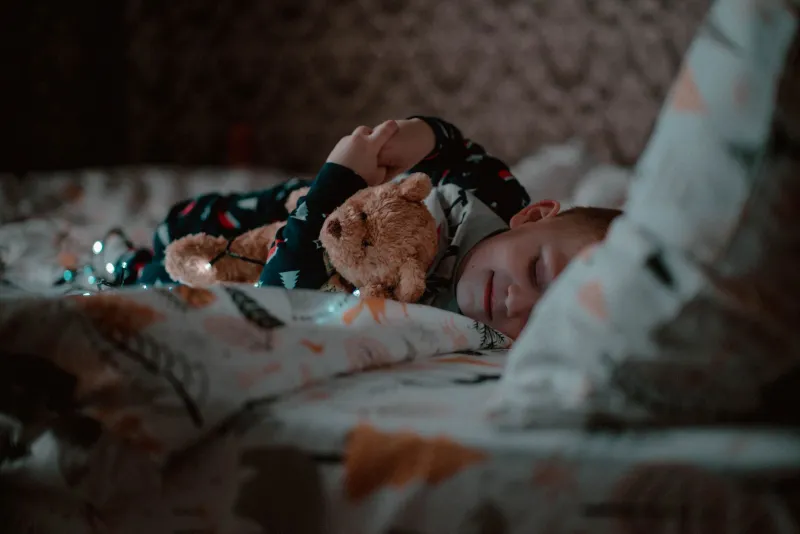
Let's paint a picture. It's 11:47 PM. You have a white noise machine humming at the volume of a small aircraft, blackout curtains that could eclipse the sun, a lavender-scented diffuser doing its best, a sleep training app open on your phone, and a toddler who is — somehow, impossibly — still awake and calling for you with the energy of someone who just had a triple espresso.
Welcome to the American toddler sleep experience.
Now here's the thing nobody puts on the parenting influencer highlight reel: one of the most reliably effective sleep tools in child development research isn't a gadget, a schedule, or a supplement. It's a stuffed animal. A specific one. Chosen thoughtfully, introduced strategically, and allowed to become something genuinely magical in your child's life.
At JoeJoe Bear, we obviously have a soft spot (pun absolutely intended) for plush companions. But this isn't just brand enthusiasm talking. The developmental science behind comfort objects and sleep is legitimately fascinating — and surprisingly actionable.
What Developmental Experts Actually Mean by a "Transitional Object"
Back in the 1950s, British pediatrician and psychoanalyst Donald Winnicott coined the term "transitional object" to describe the blankets, stuffed animals, and other items that children use to self-soothe during the developmental leap from total dependence on caregivers to greater independence. It sounds clinical, but the concept is beautifully simple: the comfort object acts as a stand-in for the parent's reassurance when the parent isn't physically present.
In practical terms, this means a well-bonded lovey can help a toddler:
- Fall asleep without needing a parent in the room
- Return to sleep independently after waking in the middle of the night
- Manage anxiety in new environments (travel, daycare, grandma's house)
- Feel emotionally regulated during stressful transitions
Researchers at the University of Hertfordshire and various child psychology programs have consistently found that children who form secure attachments to comfort objects show better emotional regulation over time — not worse. The old worry that a lovey creates dependency has been largely debunked. If anything, the attachment teaches kids how to self-soothe, which is a skill they'll use their entire lives.
The Timing Window You Don't Want to Miss
Here's where strategy comes in. The developmental sweet spot for introducing a comfort companion is generally between six months and about two and a half years old — with many experts pointing to the eight-to-twelve-month window as particularly receptive.
Before six months, the attachment capacity isn't quite there yet. After age three, the neural pathways for forming this specific type of object bond start to close up, and it becomes significantly harder (though not impossible) to cultivate. Kids who miss the window often don't bond with a lovey the same way, no matter how adorable or strategically introduced the toy might be.
So if your child is under three and you haven't intentionally introduced a comfort companion yet, now is a genuinely good time to start thinking about it.
Choosing the Right Stuffed Animal (This Is More Important Than It Sounds)
Not every stuffed animal becomes a lovey. Some get played with enthusiastically for two weeks and then live out their days under the couch. The ones that stick tend to share certain characteristics — and knowing them can help you make a smarter choice upfront.
Size matters. Smaller is generally better for sleep. A stuffed animal roughly the size of your toddler's torso is easy to hold, easy to carry, and easy to bring everywhere (which is important for the bonding process).
Texture is everything. Soft, slightly weighted, and tactilely interesting toys tend to win. Many kids are drawn to animals with different fabric textures — a plush body with a silky tag or a slightly rougher mane. The sensory variety is part of what makes it compelling to hold.
Washability is non-negotiable. Buy two. We cannot stress this enough. Buy two identical versions of whatever lovey you introduce, rotate them in the wash so they wear equally, and store the backup somewhere your child doesn't know about. The day the lovey goes missing is a four-alarm household emergency, and having a backup is the only thing standing between you and complete chaos.
Simple features over complex ones. Hard plastic eyes, battery-operated sounds, and complicated attachments tend to be less comforting and more stimulating. Embroidered eyes, soft noses, and simple features win for sleep.
How to Actually Build the Bond (You Can't Just Hand It Over)
This is where a lot of parents go wrong. You can't simply place a stuffed animal in the crib and expect magic. The bond has to be cultivated — and the good news is, the process is pretty enjoyable.
Sleep with it first. Before introducing the toy to your baby or toddler, tuck it against your body for a night or two. Your scent on the toy is genuinely calming to young children, and it gives the object an immediate sensory association with safety and comfort.
Make it present during feeding and soothing. During nursing, bottle feeding, or cuddle time, keep the lovey close. You're essentially borrowing your own calming effect and lending it to the object. Over time, the child's brain starts to associate the toy with those same feelings of safety.
Name it together. Once your child is old enough to participate (even in a limited way), help them name the companion. Naming creates ownership. Ownership deepens attachment.
Let it come everywhere. Grocery store, pediatrician's office, long car rides — the more contexts the lovey shows up in, the more deeply it gets associated with security across situations.
Establish a consistent bedtime role. Every single night: same toy, same spot in the bedtime routine. Predictability is the engine of sleep association.
Why This Beats Most of What's in the Baby Gear Aisle
White noise machines are genuinely useful, and we're not here to throw shade at blackout curtains. But those tools address the environment. A comfort companion addresses something deeper — your child's internal emotional state.
The difference is significant. A toddler who wakes at 2 AM in a dark, quiet room still has to manage the internal experience of being awake and alone. A toddler who wakes at 2 AM and immediately reaches for a familiar, beloved stuffed animal has a built-in emotional resource right there in the crib. Many kids will resettle themselves entirely without ever making a sound — because they already have what they need.
For parents in the thick of sleep training, that moment — when you first hear your toddler wake up, reach for their lovey, and quietly drift back to sleep — is genuinely one of the most triumphant feelings parenthood offers. It's small. It's quiet. And it cost about the same as a lunch at Chipotle.
A Note on Safety
Quick but important: current American Academy of Pediatrics guidelines recommend keeping all soft objects out of the sleep space for infants under 12 months due to suffocation risk. The comfort companion strategy is most appropriate for toddlers over one year old. Always follow safe sleep guidelines for your specific child's age and developmental stage.
The Bottom Line From JoeJoe Bear HQ
Parenting is full of expensive, complicated solutions to problems that sometimes have surprisingly simple answers. Sleep is hard. Toddlers are chaotic. But the humble stuffed animal — chosen well, introduced thoughtfully, and allowed to become genuinely meaningful — has been helping small humans feel safe enough to close their eyes for generations.
Some things are classics for a reason.